Motion · 3 min read
Average Speed: the method, worked through
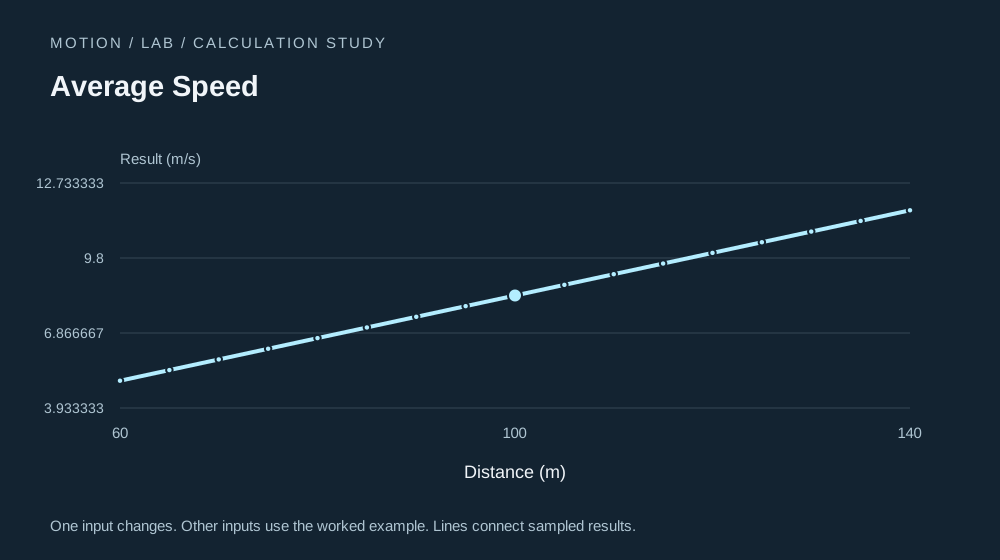
Average speed summarizes a complete journey using total path length and elapsed time.
Work through the formula, compare a few scenarios and know where the model stops.
Average speed summarizes a complete journey using total path length and elapsed time.
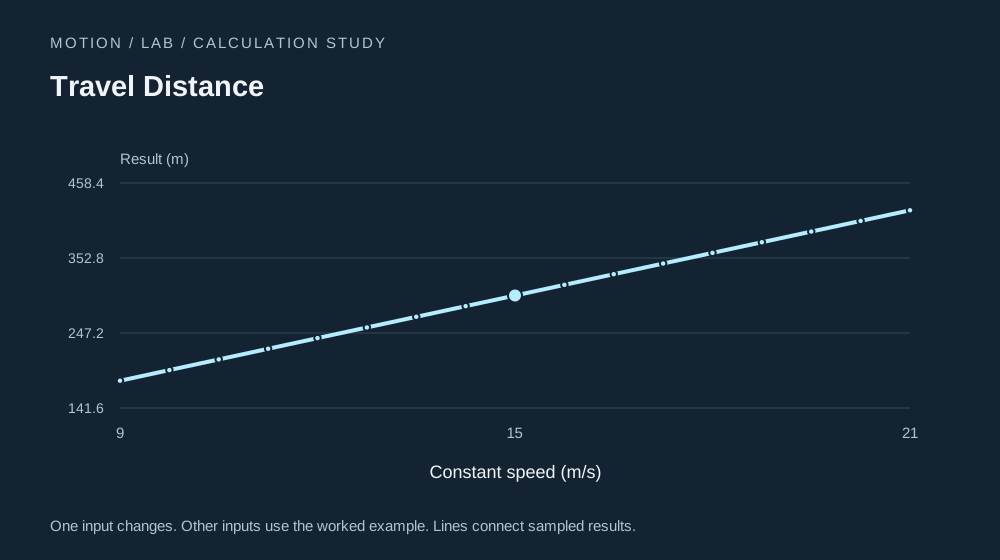
Constant-speed travel produces a distance proportional to elapsed time.
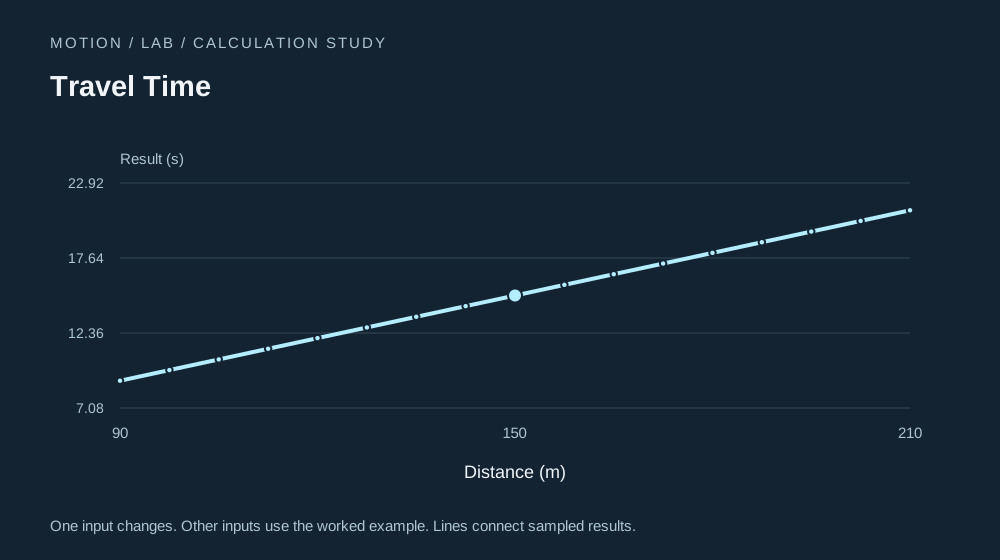
Dividing a path length by steady speed estimates the time needed to cover it.
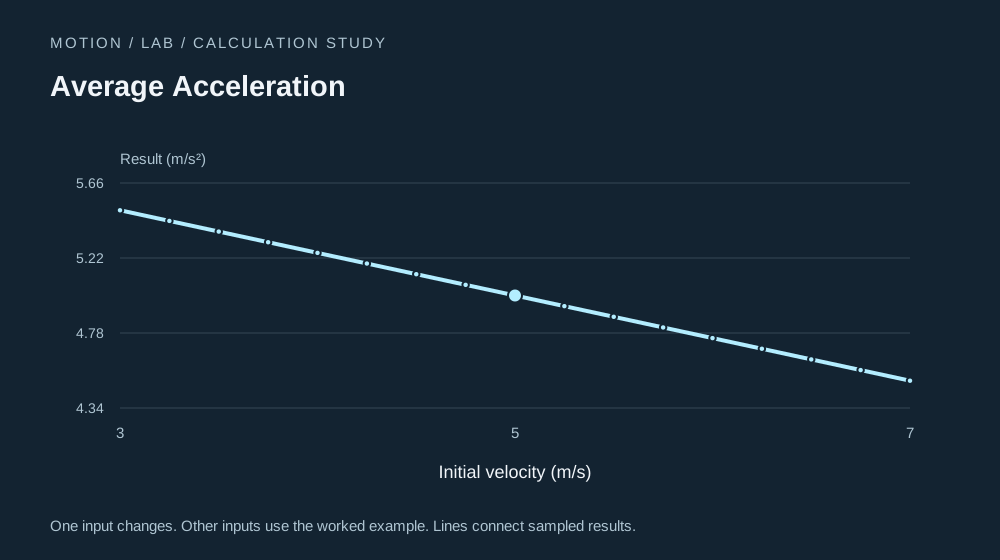
Acceleration measures how velocity changes over time and can be signed in one dimension.
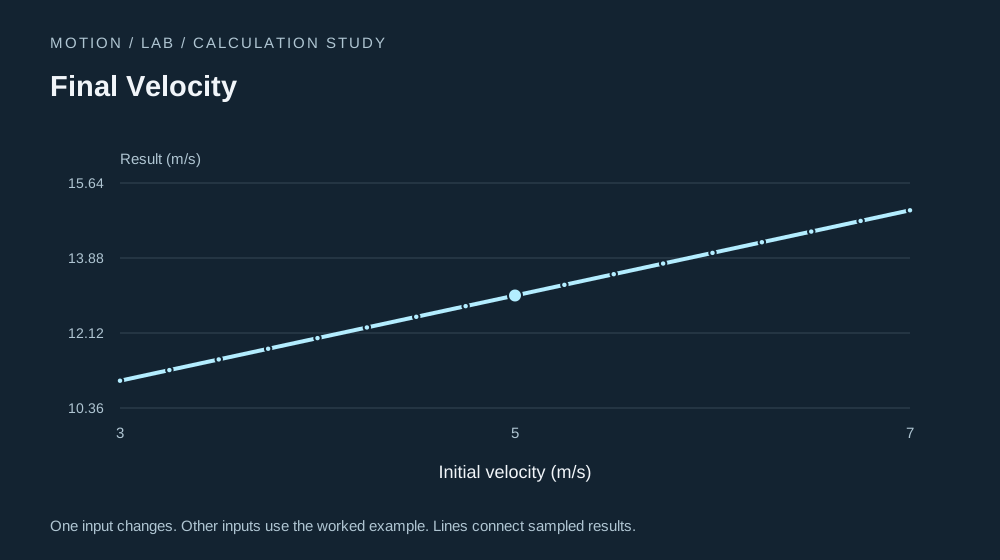
Uniform acceleration changes velocity by a fixed amount each second.
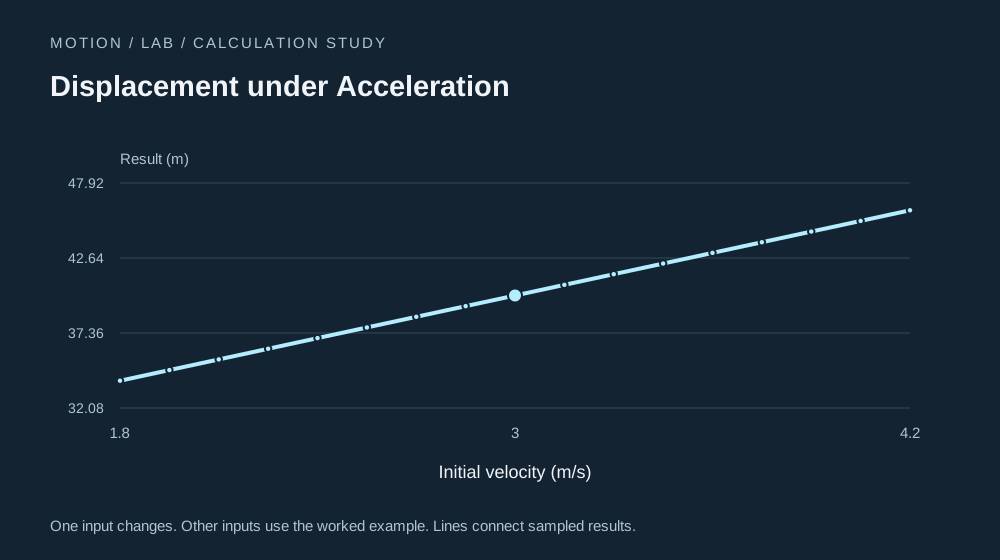
The displacement combines the initial-velocity contribution with the effect of constant acceleration.
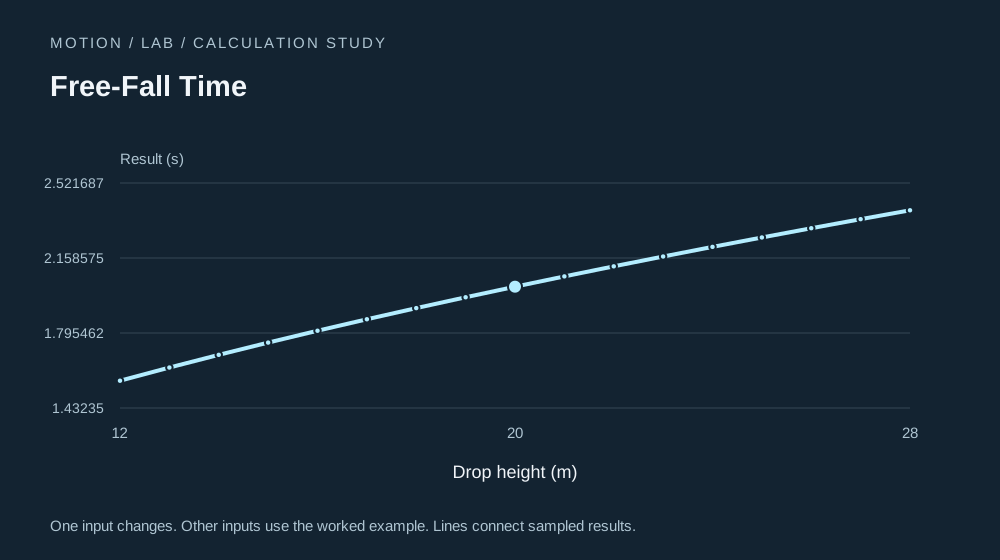
An object released from rest accelerates downward under a uniform gravitational field.
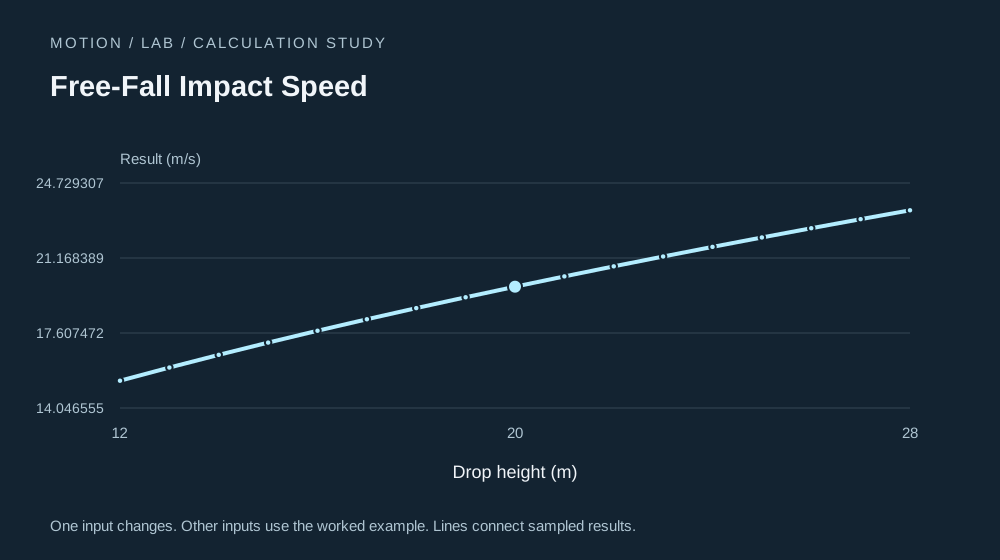
Conservation of energy relates a drop from rest to the ideal final speed.
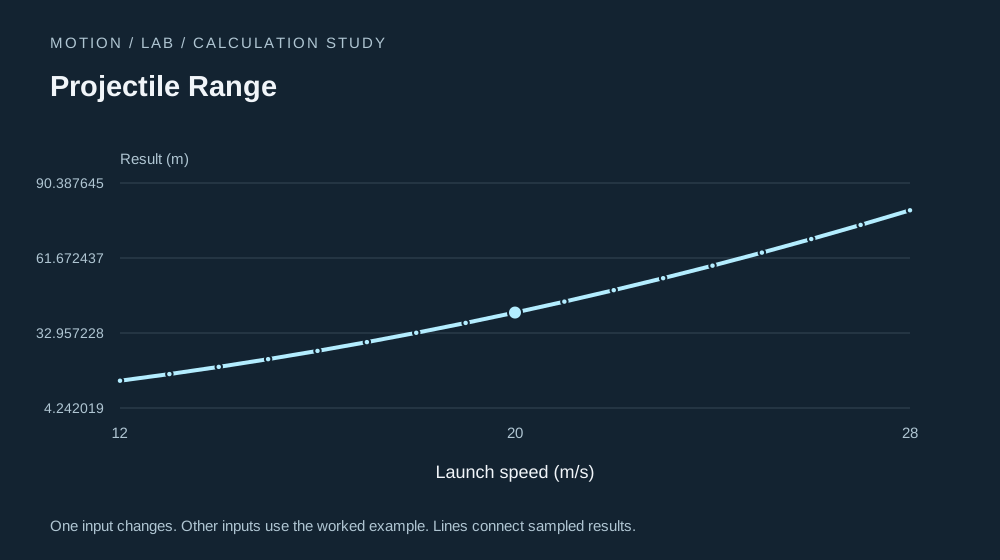
The ideal horizontal range depends on launch speed and elevation angle when landing height equals launch height.
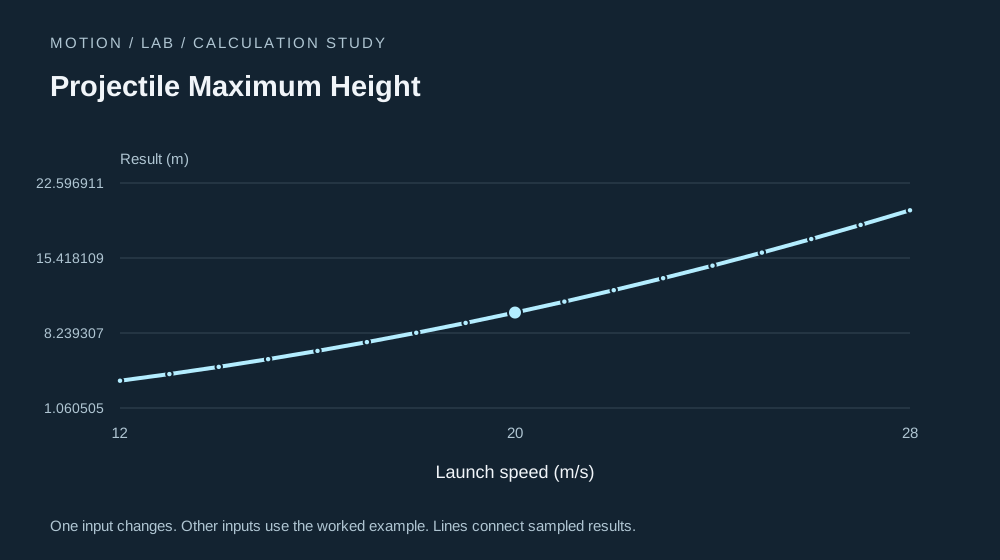
Only the vertical component of launch velocity determines height above the launch point in an ideal trajectory.
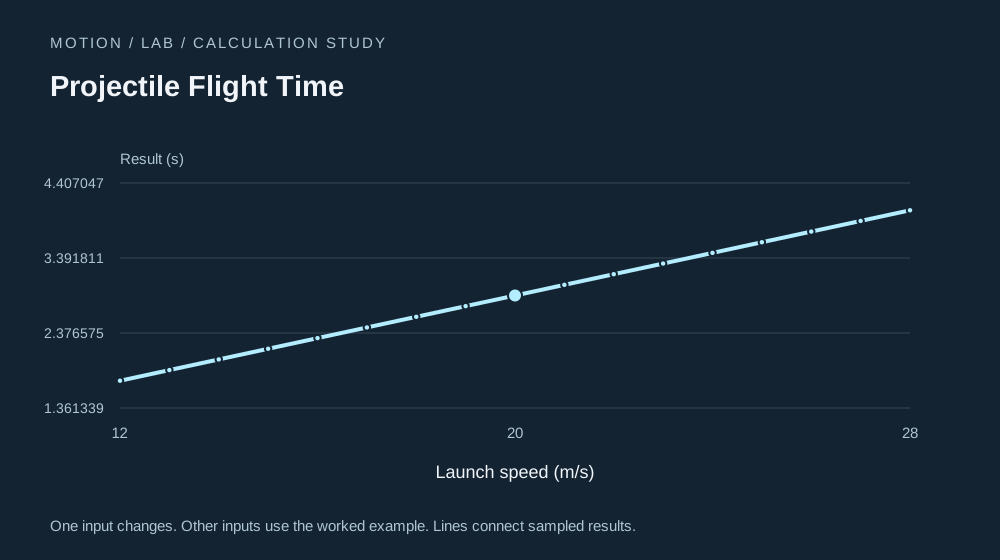
A symmetric ideal trajectory spends equal time rising and falling to its original elevation.
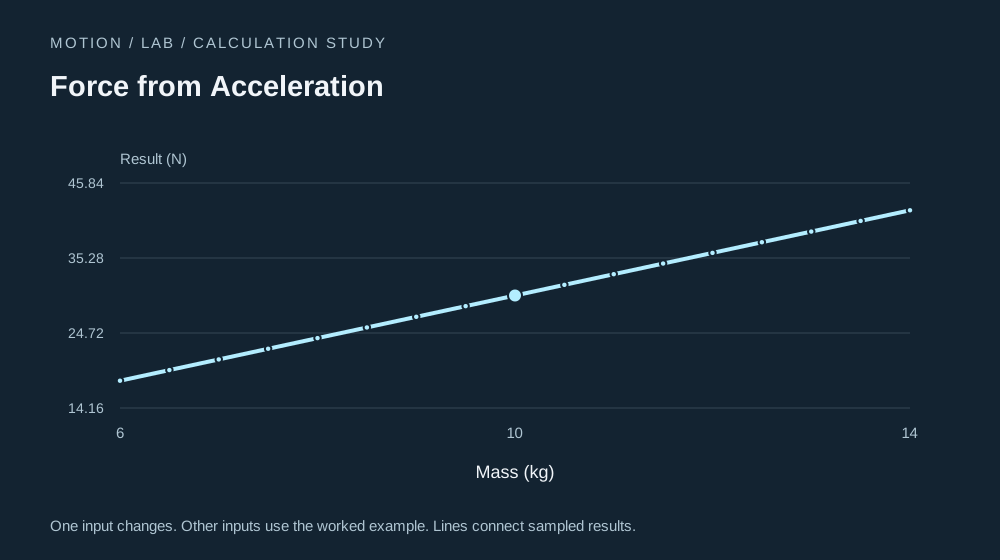
Newton's second law connects net force to acceleration for constant mass.
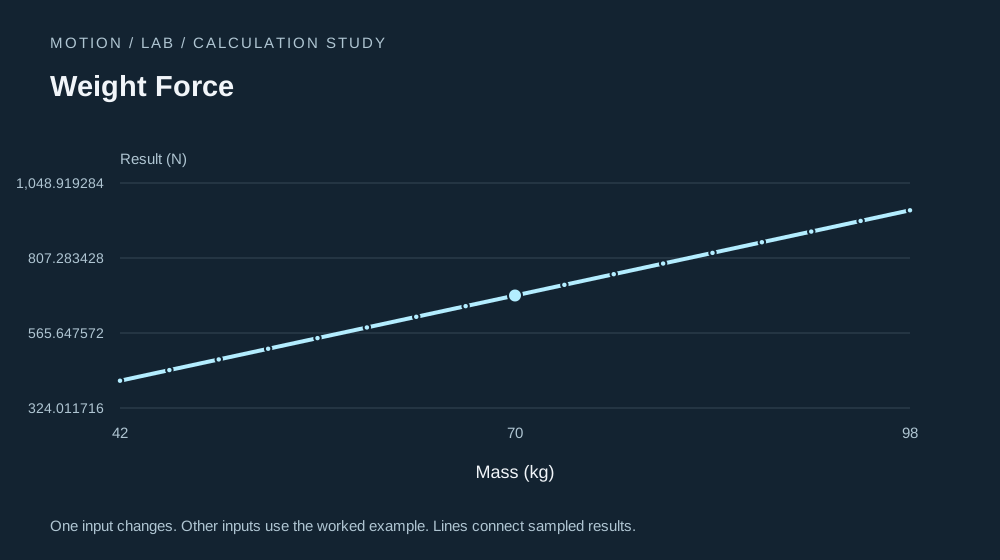
Weight is a force caused by gravity and varies with gravitational field strength.
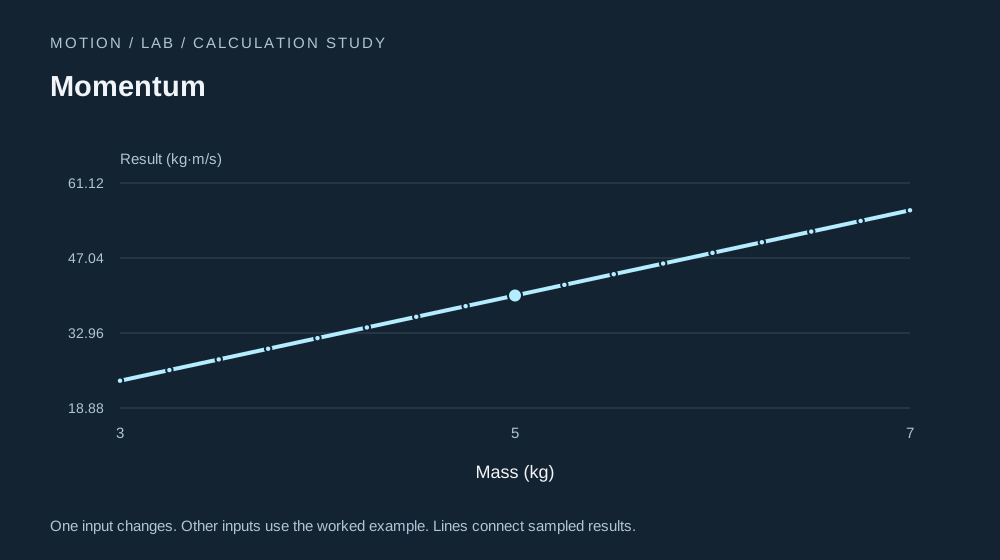
Linear momentum combines mass with signed velocity in one dimension.
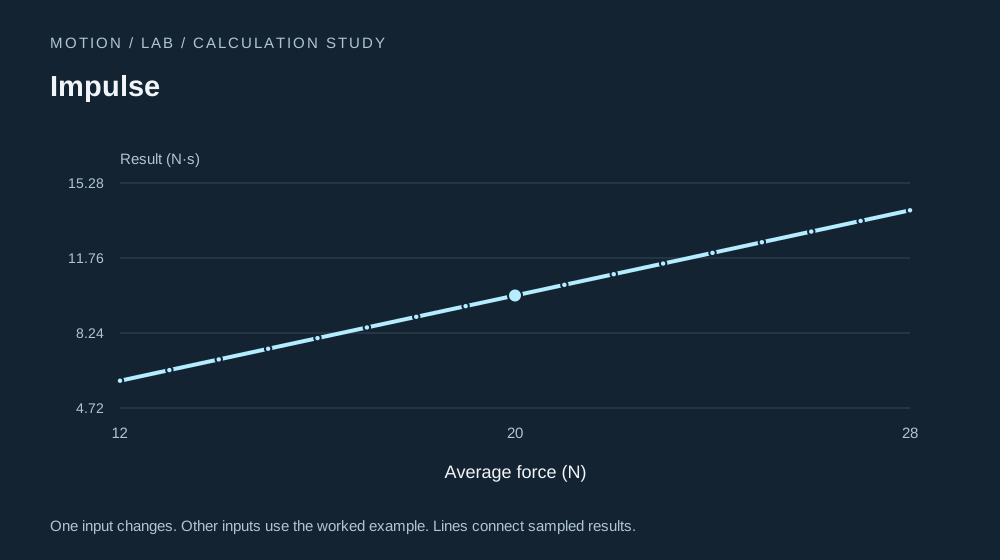
Impulse accumulates force over time and equals the change in momentum.
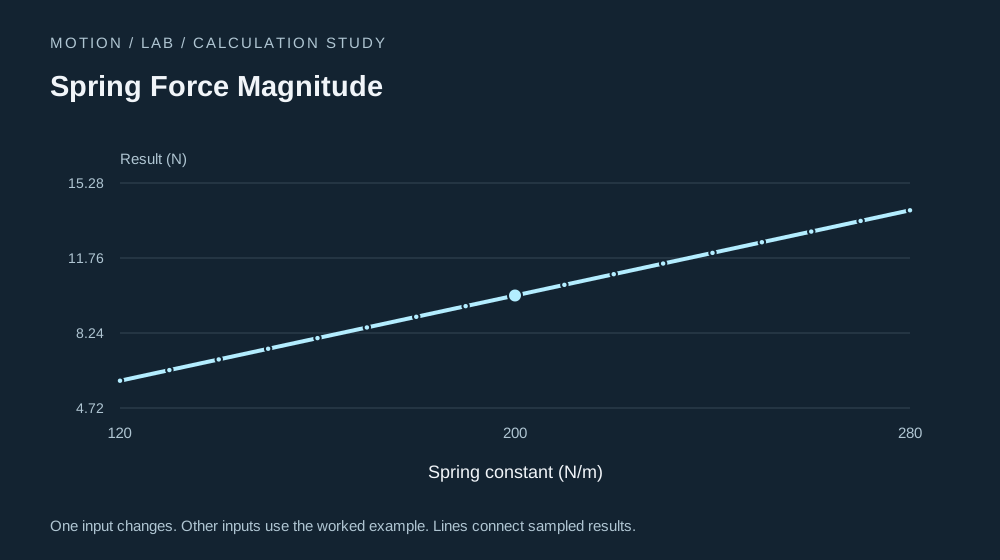
Hooke's law relates small elastic deformation to restoring force magnitude.
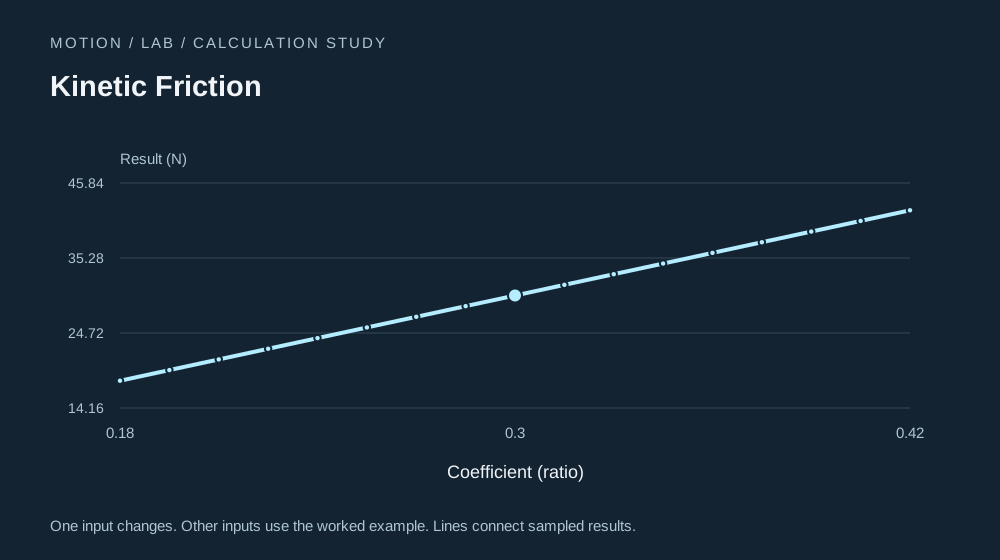
A simple dry-friction model estimates sliding resistance from normal force and a friction coefficient.
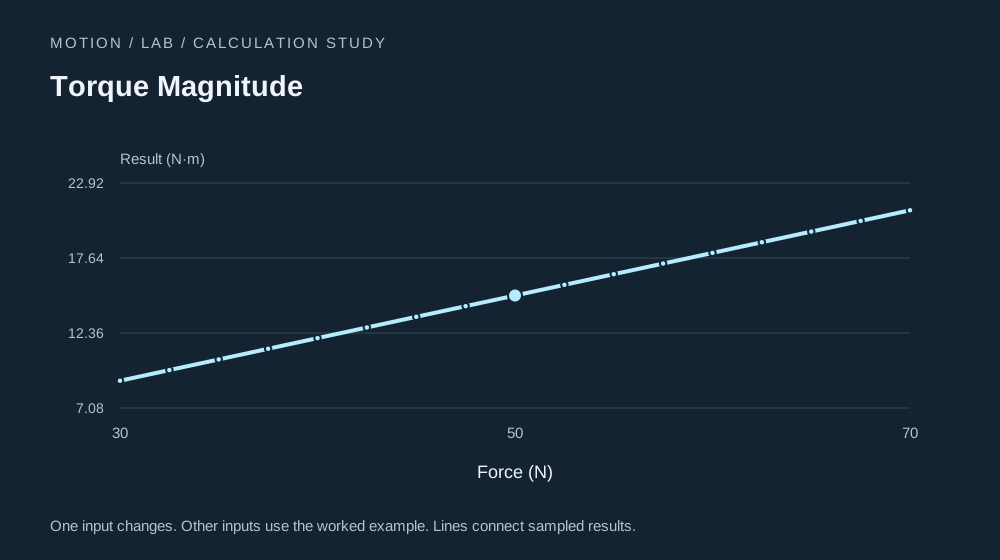
Torque depends on the force component perpendicular to the lever arm.
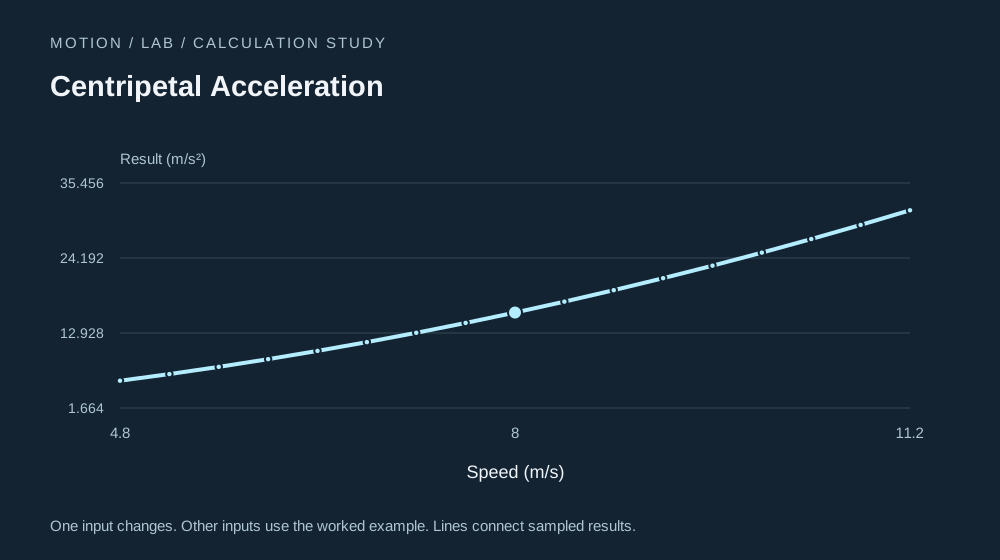
Circular motion requires inward acceleration even at constant speed.
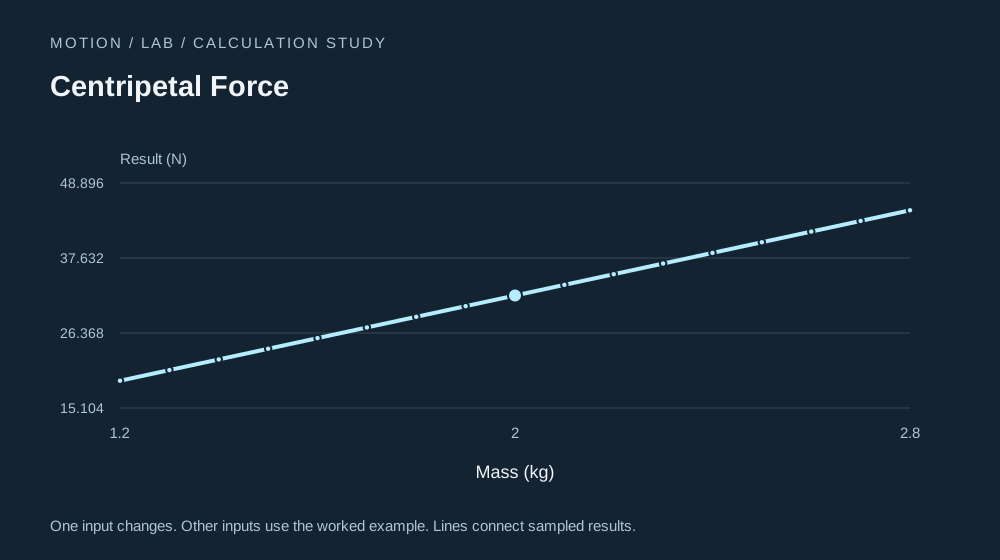
The net radial force needed for circular motion grows with the square of speed.
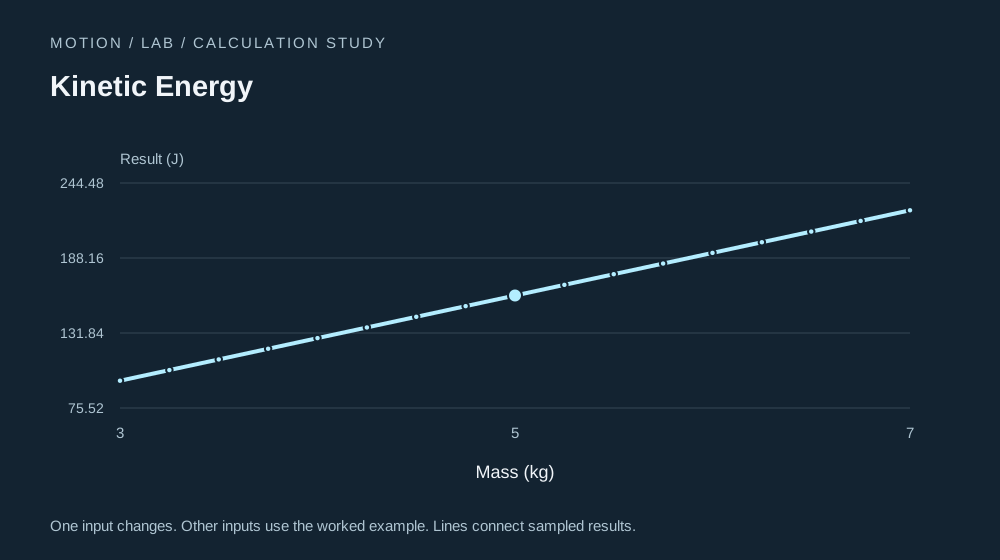
Translational kinetic energy is the energy associated with motion of a mass.
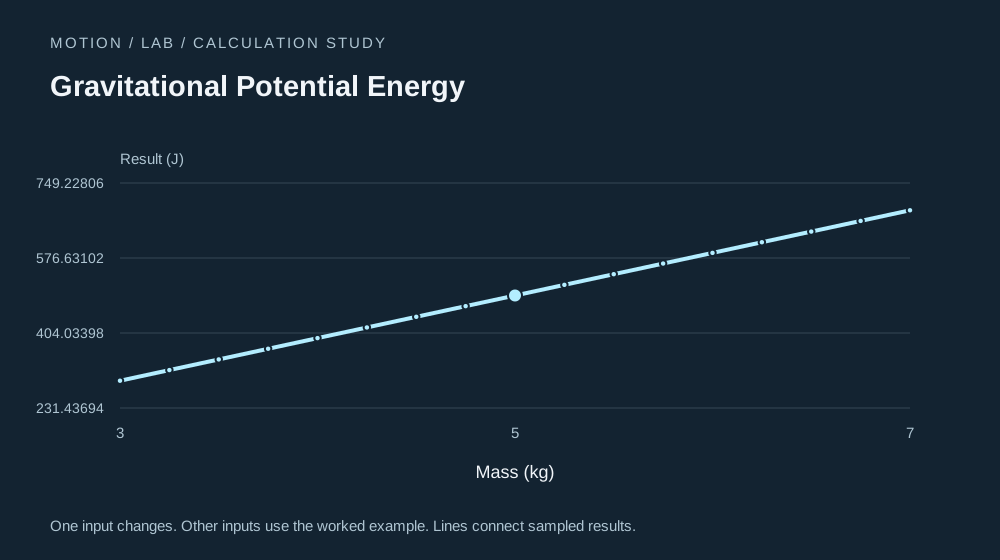
Near a planetary surface, a change in height changes gravitational potential energy approximately linearly.
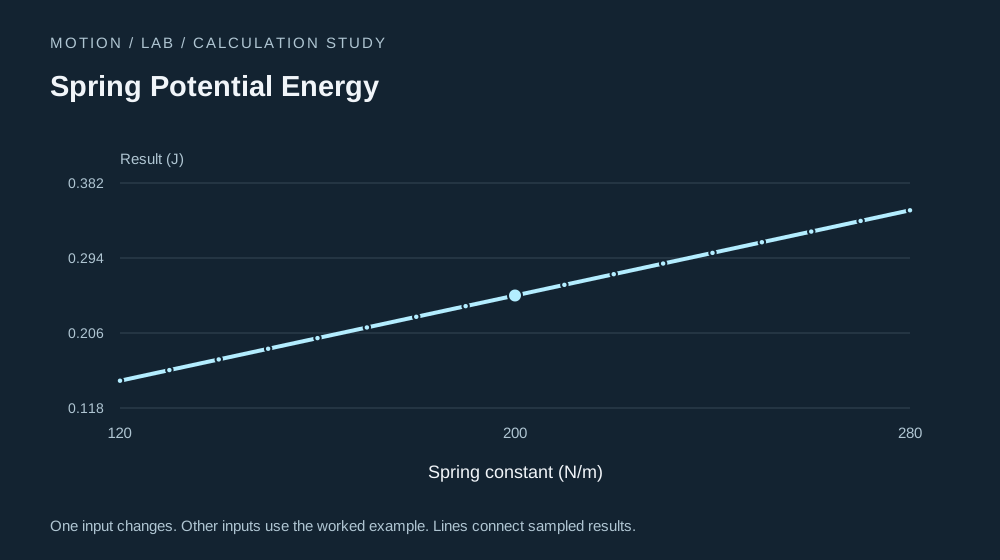
An ideal linear spring stores elastic energy as it stretches or compresses.
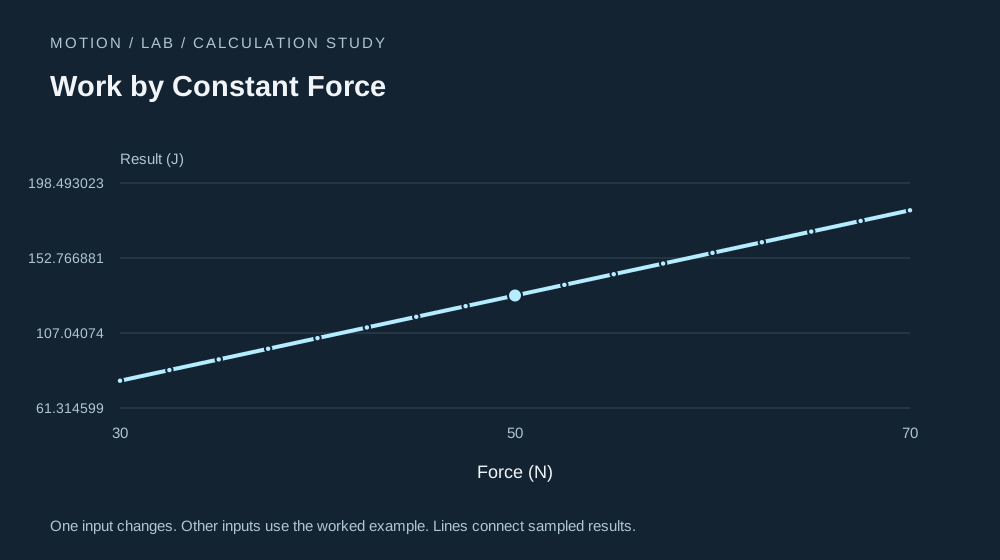
Work depends on the component of a constant force along the displacement.
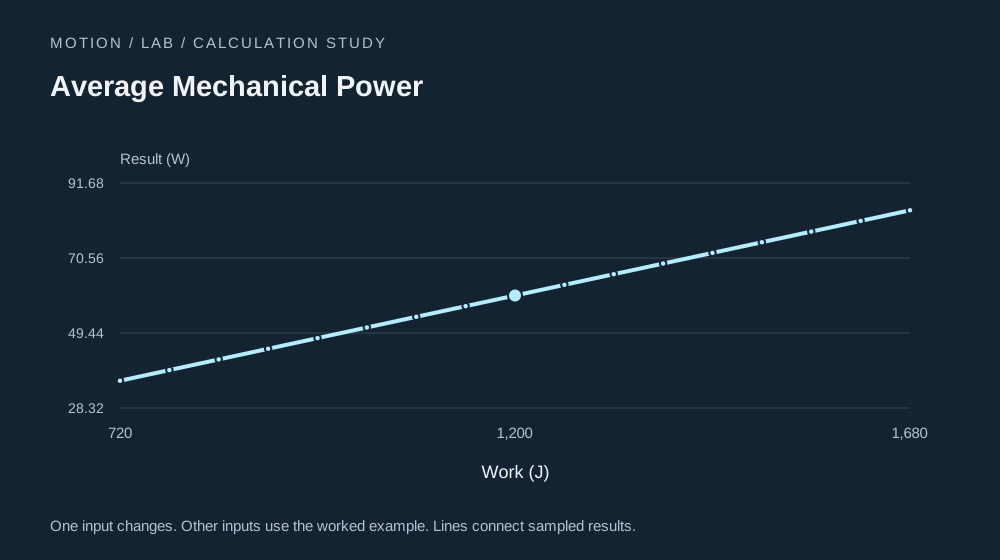
Power describes the rate of transferring energy or doing work.
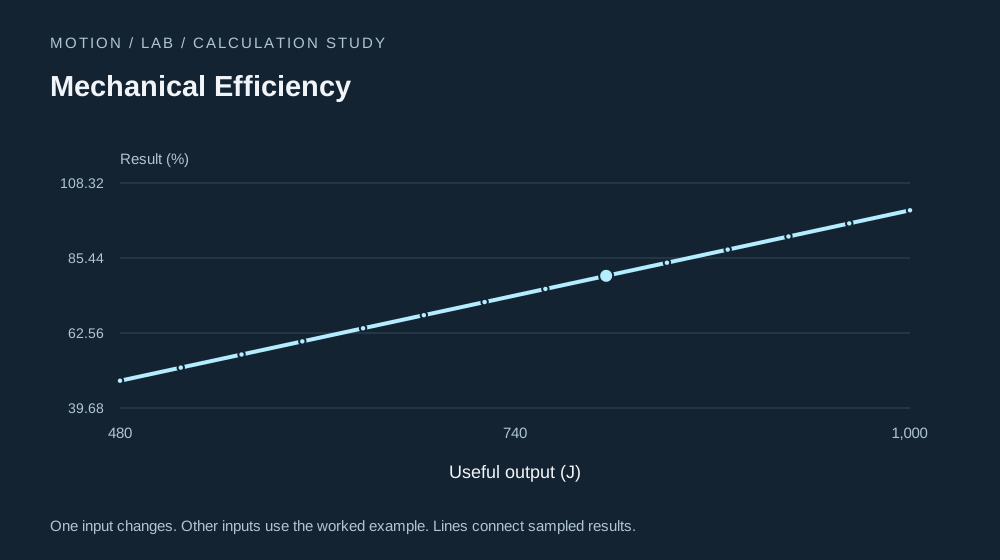
Efficiency compares useful output with the total energy supplied to a defined system.
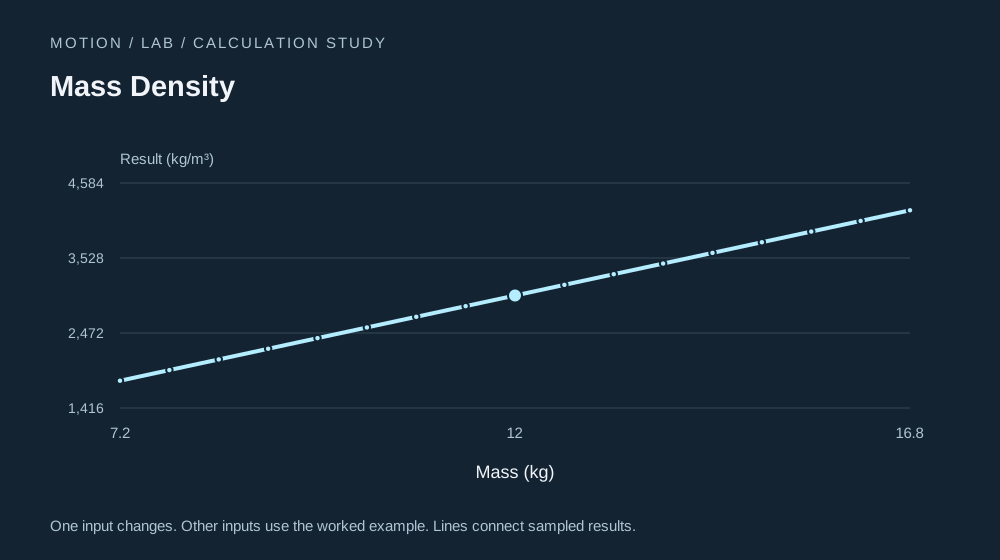
Density connects how much mass occupies a measured volume.
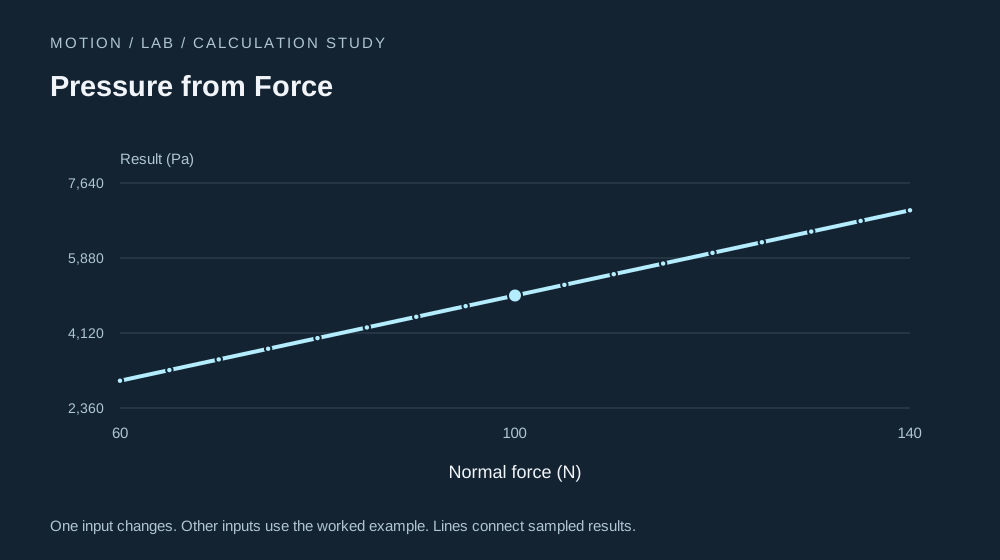
Average pressure spreads a normal force over its contact area.
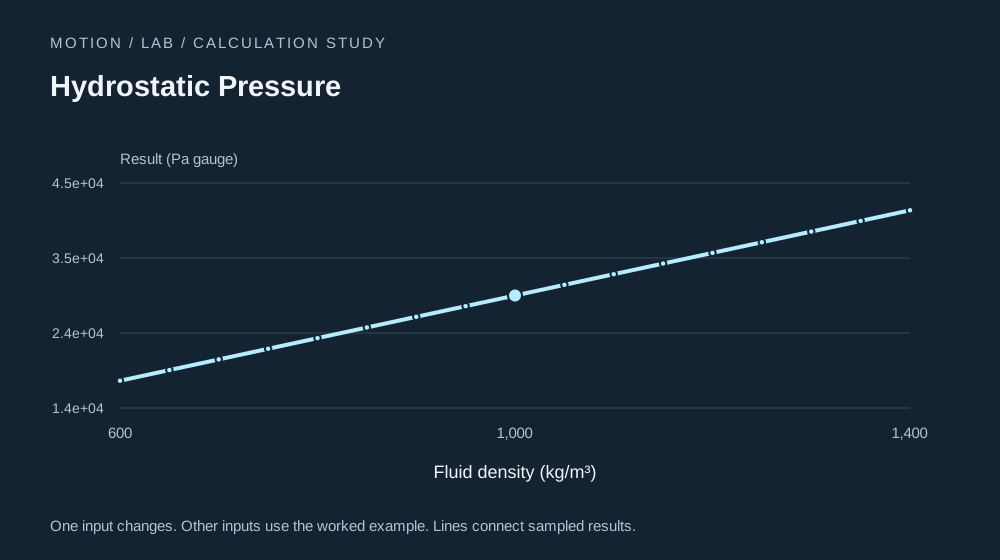
Fluid pressure rises with depth under uniform density and gravity.
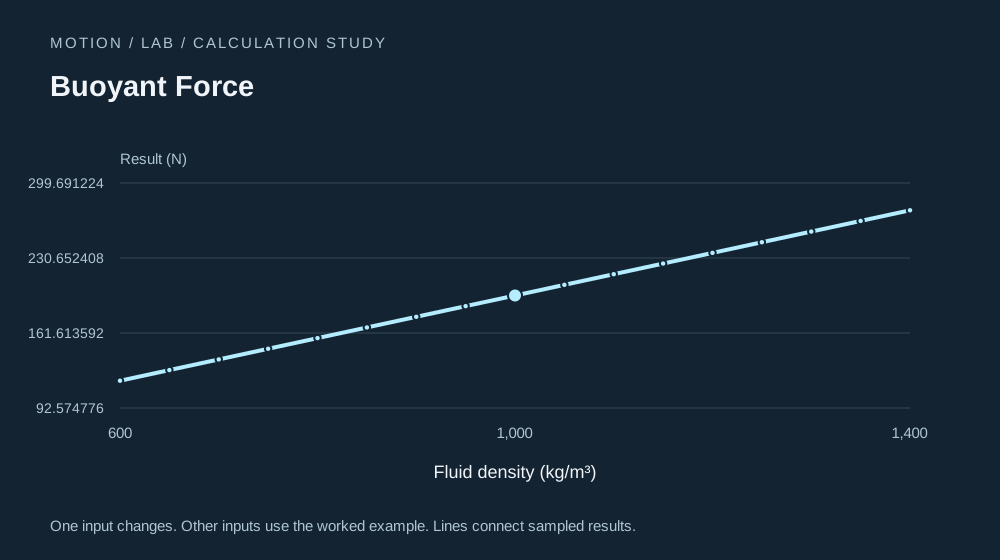
Buoyancy equals the weight of displaced fluid in the elementary hydrostatic model.
No matching articles. Try a shorter search or choose all categories.